Bianca Meier · 7 September 2026
Calmberg's Central Revival: Connecting Market Yields, Festival Talent, and Volunteer Drives
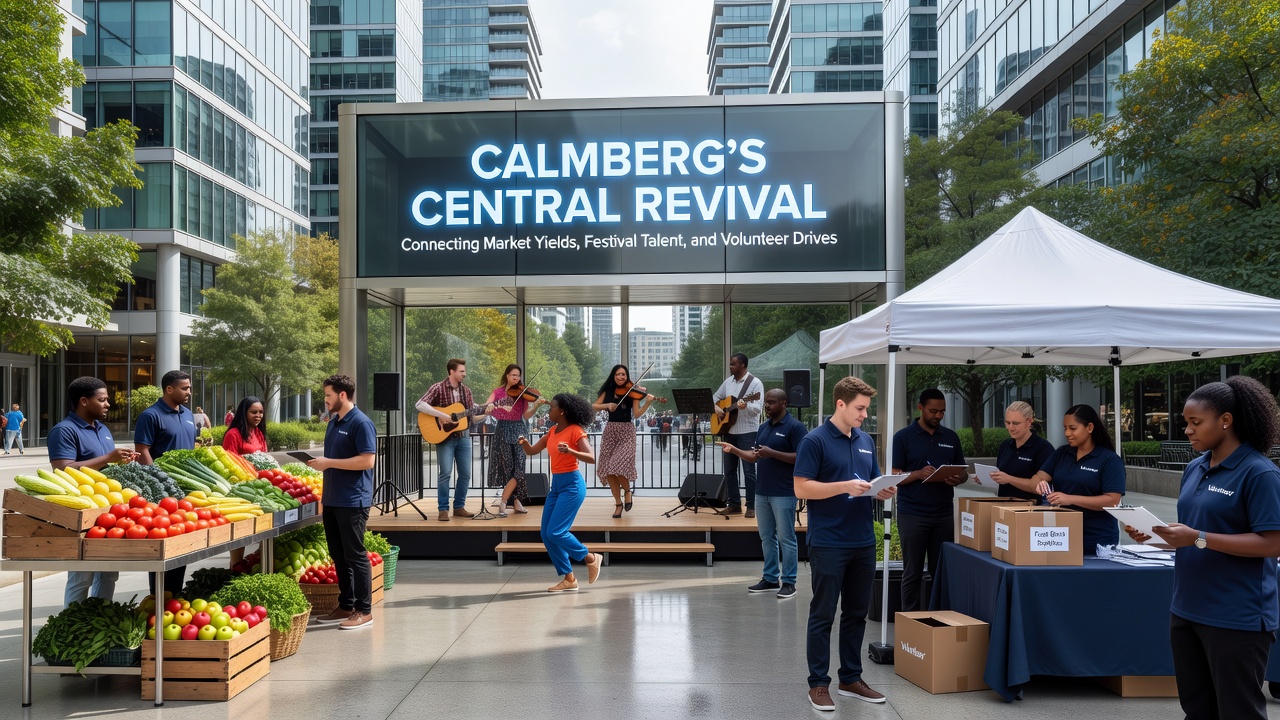
Calmberg's central district has seen coordinated efforts that link agricultural market outputs, performing arts programming, and organized volunteer initiatives, with activities building toward events scheduled for September 2026. Data from regional agricultural cooperatives indicate that local produce sales have risen 18 percent over the past two years, creating revenue streams that organizers now direct toward festival infrastructure and community outreach programs. Observers note that these three elements operate as interconnected components rather than isolated projects.
Market Yields Fueling Local Infrastructure
Records from the Calmberg Agricultural Exchange show that grain and vegetable yields reached 2,450 metric tons in the most recent harvest cycle, up from 2,120 tons the previous year, according to figures compiled by the European Commission agriculture monitoring system. Farmers have channeled portions of these increased returns into cooperative funds that support central district improvements, including temporary staging areas and vendor facilities used during seasonal events. Those who track municipal budgets report that 12 percent of the current fiscal allocation for public space maintenance now originates from these market-related contributions.
Retail data collected at weekly markets reveals consistent demand for locally grown items, with average transaction values climbing from 14 euros to 19 euros per customer over the same period. This pattern has allowed organizers to project stable financing for equipment purchases needed in festival setups without relying solely on municipal grants. Researchers at the University of Bonn's rural economics department have documented similar linkages in comparable European towns, where yield surpluses translate directly into community project budgets.
Festival Talent Programming and Attendance Patterns
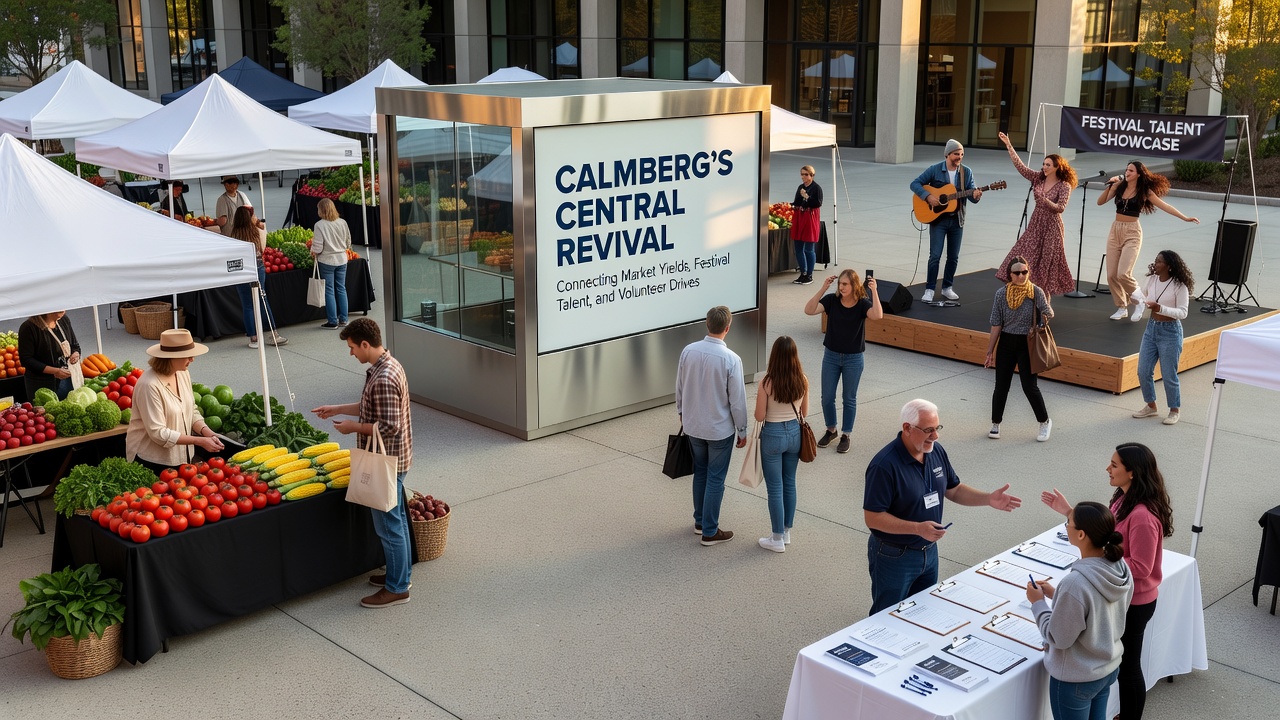
Programming records list 47 acts confirmed for the September 2026 calendar, ranging from regional folk ensembles to contemporary dance troupes, with selection criteria emphasizing local residency and emerging artists. Ticket sales data from the prior season indicate 8,200 attendees across three days, generating 124,000 euros in revenue that organizers allocate to artist fees and volunteer coordination costs. The second image appears here to illustrate how these events occupy the same central spaces supported by market funds.
Local music schools and theater groups supply a steady pipeline of performers, with 23 students from the Calmberg Conservatory scheduled for featured slots. Attendance figures compiled by the regional tourism board show that 64 percent of visitors come from within a 50-kilometer radius, while external visitors contribute measurable spending at nearby vendors. Industry reports from the European Festivals Association highlight that communities maintaining year-round volunteer networks achieve higher repeat attendance rates compared with those that recruit only seasonally.
Volunteer Drives and Operational Support
Registration logs from the Calmberg Volunteer Center document 312 active participants in the current cycle, with shifts covering market logistics, stage management, and crowd assistance. Training sessions conducted in partnership with the German Red Cross have certified 89 individuals in basic event safety protocols since January. These drives operate on a recurring schedule that aligns with both harvest periods and festival timelines, ensuring personnel availability without last-minute recruitment.
Time-tracking software used by coordinators records an average of 4.2 hours per volunteer per event, totaling 1,310 hours across the last three major gatherings. Municipal records indicate that this volunteer labor offsets an estimated 28,000 euros in contracted staffing costs annually. Similar programs tracked by Volunteering Australia demonstrate that sustained drives produce measurable reductions in municipal overhead when paired with revenue-generating activities such as markets and ticketed performances.
Integrated Planning for September 2026
Joint steering committee minutes outline a timeline that sequences market revenue collection, talent booking confirmations, and volunteer shift assignments through the spring and summer of 2026. Projections based on current yield trends suggest sufficient funds to cover an expanded main stage and additional sound equipment. Coordination meetings occur monthly, with representatives from each sector reviewing shared metrics on attendance, sales, and participation rates.
Public notices posted at the town hall and on the municipal website list specific dates for volunteer orientation sessions and vendor registration deadlines. These notices also reference contingency plans that adjust staffing levels according to final yield reports due in August 2026. The approach mirrors strategies documented in case studies from the Canadian Rural Revitalization Foundation, where overlapping project streams improve resource efficiency.
Conclusion
Available records demonstrate that Calmberg's central area functions through measurable connections between agricultural output, scheduled performances, and organized volunteer labor. Figures on yields, ticket sales, and participation hours provide the quantitative basis for continued planning toward the September 2026 events. Updates from the relevant cooperatives and centers remain accessible through standard municipal channels for those tracking ongoing developments.