Jakob Vogel · 16 November 2026
Market Gains Propel Shifts in Festival Offerings and Infrastructure Conversations
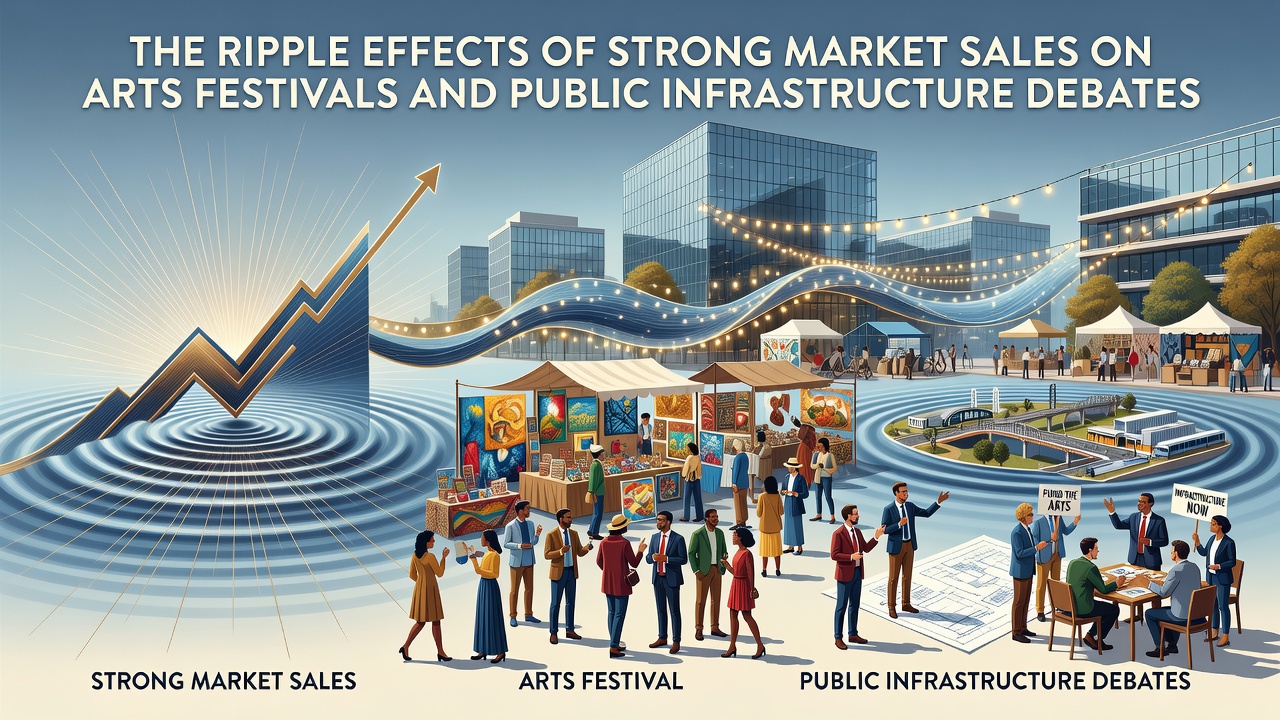
Strong market sales have generated increased revenue streams that directly support expanded programming at arts festivals while simultaneously intensifying discussions around upgrades to public facilities and transport networks. Data from regional economic reports indicate that elevated transaction volumes in local and national markets create surplus funds available for cultural events, which in turn prompt municipal authorities to evaluate existing infrastructure capacity against rising attendance figures.
Observers note that festivals scheduled for late 2025 and into 2026 often receive larger grants when corporate earnings reports show sustained growth, allowing organizers to book additional performers and extend event durations. This pattern appears across multiple communities where market performance correlates with higher sponsorship commitments, yet those same increases place pressure on venues that lack sufficient parking, seating, or accessibility features.
Festival Programming Expands Under Improved Financial Conditions
Arts organizations adjust their lineups when market indicators rise because ticket sales projections become more reliable and corporate partners commit larger sums. Researchers tracking attendance at events in comparable towns have recorded upticks of 15 to 25 percent during periods of robust quarterly results, prompting curators to add secondary stages and late-night programming. Such expansions require coordination with local governments on temporary structures, power supply, and crowd management plans that frequently spill into longer-term infrastructure considerations.
One study released by a European cultural agency highlighted how festival budgets grew alongside equity market gains, enabling commissions for site-specific installations and collaborations with international artists. Those projects, while enriching the cultural calendar, also expose gaps in public amenities such as restrooms, lighting along pedestrian routes, and emergency access points that city planners must address before subsequent seasons.
Infrastructure Debates Intensify Alongside Attendance Records
Public works committees now review proposals for permanent upgrades more frequently because festival crowds demonstrate the daily strain on roads, transit hubs, and open spaces. Figures released by municipal planning offices show that communities hosting multi-day events experience measurable wear on pavement and increased demand for utilities, leading to formal debates about allocating portions of market-driven tax receipts toward capital improvements. And those conversations often reference data collected during peak festival weekends when traffic counts exceed normal levels by significant margins.
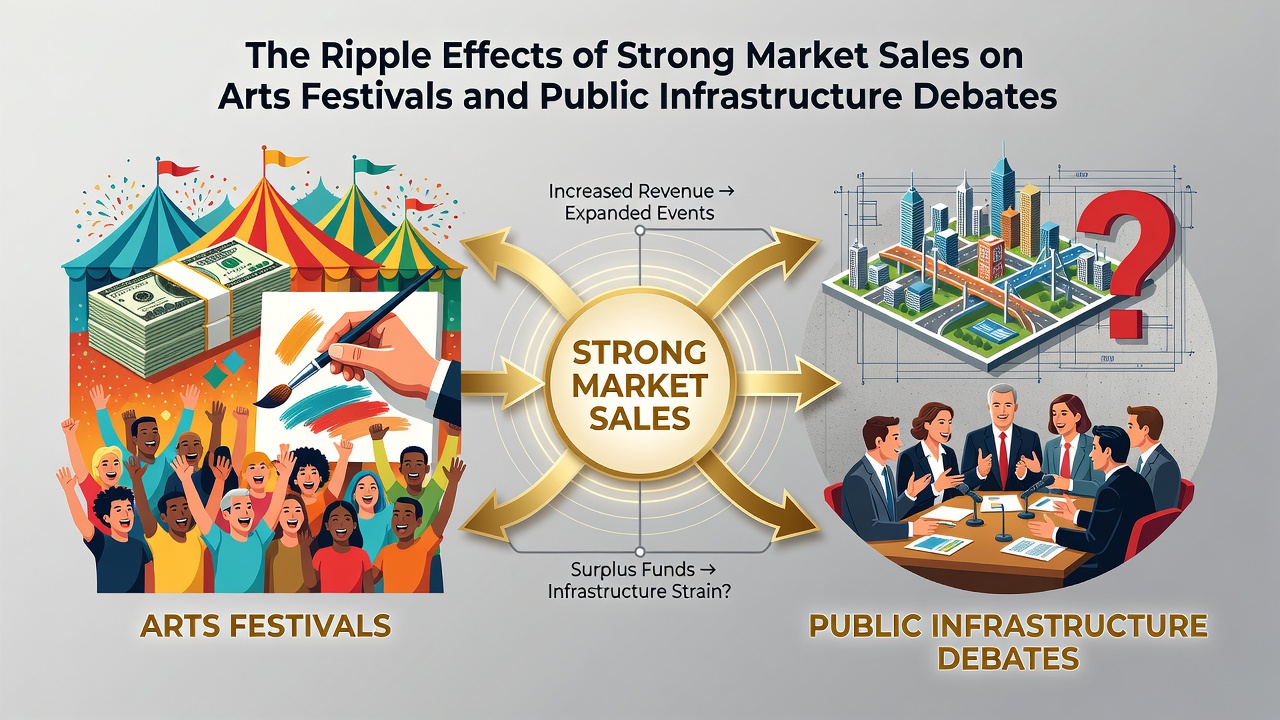
Local councils examine options for widening sidewalks, installing additional transit stops, adn retrofitting historic buildings to serve as overflow venues. Evidence compiled by academic teams at several universities demonstrates that early investment in these areas reduces congestion and improves safety metrics during high-attendance periods. Yet the allocation of funds remains contested because competing priorities such as residential housing and school maintenance also seek portions of the same revenue pool generated by strong sales figures.
November 2026 Projections and Regional Comparisons
Analysts project that continued market momentum through 2026 will sustain elevated festival scales, with November events expected to draw record numbers if current sales trajectories hold. Planning documents circulated among regional authorities outline scenarios in which infrastructure investments completed by mid-2026 could accommodate larger audiences without disrupting surrounding neighborhoods. Similar patterns appear in reports from Australian statistical agencies and Canadian cultural ministries, where parallel economic conditions produced comparable debates over facility modernization.
Those documents further note that volunteer coordination and vendor participation rise when market conditions favor discretionary spending, creating secondary economic activity that justifies additional public expenditure on reliable utilities and waste management systems. The connections between these elements form feedback loops in which successful festivals encourage further market engagement and infrastructure requests.
Conclusion
Market performance continues to influence both the scope of arts festivals and the scope of infrastructure discussions through measurable financial and logistical pathways. Regional data sets compiled through 2025 and projected forward demonstrate consistent correlations between sales volumes, event budgets, and subsequent policy reviews. Communities that align festival growth with targeted facility improvements position themselves to manage larger gatherings while maintaining service quality for residents throughout the year.