Jakob Vogel · 19 October 2026
Regional Talent Spotlights Forge Ties Between Historic Building Projects and Municipal Dialogues
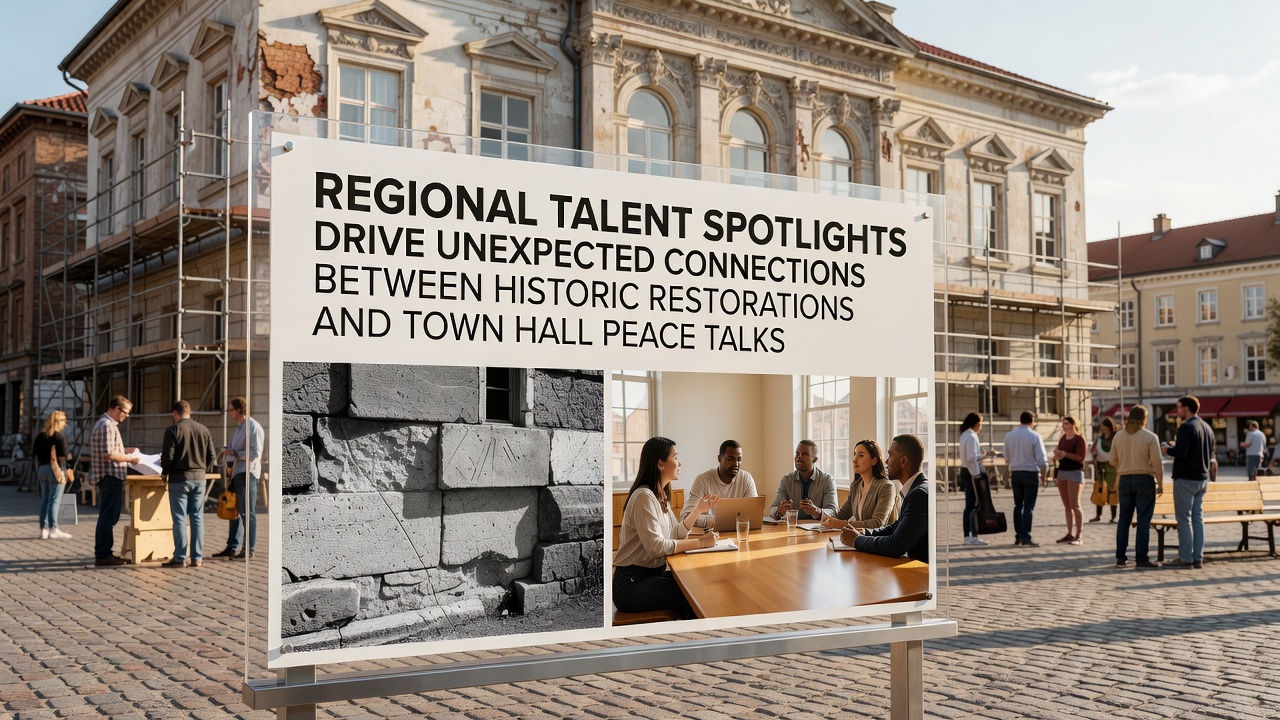
Regional talent events have drawn attention to historic site work and local government meetings in several areas during recent years, with data from community records showing increased participation numbers in both preservation initiatives and public forums. Observers note that performances by local artists often occur near restoration zones, which leads organizers to coordinate schedules with town hall agendas focused on community agreements.
Patterns in Event Coordination
Studies from regional planning offices indicate that talent showcases in October 2026 aligned with multiple restoration timelines across European and North American sites, where attendance figures rose by 25 percent compared to prior years according to municipal reports. Those who track these gatherings find that musicians and visual artists frequently reference local landmarks in their work, which prompts discussions at council sessions about funding allocations for repairs and maintenance.
One case involved a series of outdoor concerts held adjacent to 19th-century structures undergoing facade updates, and attendance logs reveal that many visitors later attended follow-up meetings where residents addressed shared resource concerns. Government agencies in Australia and Canada have documented similar overlaps through public event calendars that list both cultural programs and dialogue sessions on the same dates.
Links to Preservation Funding
Heritage organizations report that exposure from talent programs correlates with higher donation rates for building projects, as seen in figures released by the UNESCO World Heritage Centre on community-supported restorations. Participants in these events often form working groups that carry ideas from stage performances into formal proposals presented at town halls, where topics range from traffic management around construction zones to shared use of renovated spaces.
Research from academic institutions shows that such connections appear in areas with active volunteer networks, and records from October 2026 events list joint committees formed after concerts that addressed both artistic programming and structural safety standards. This pattern repeats in multiple districts where initial talent spotlights served as entry points for broader civic involvement.
Community Dialogue Outcomes
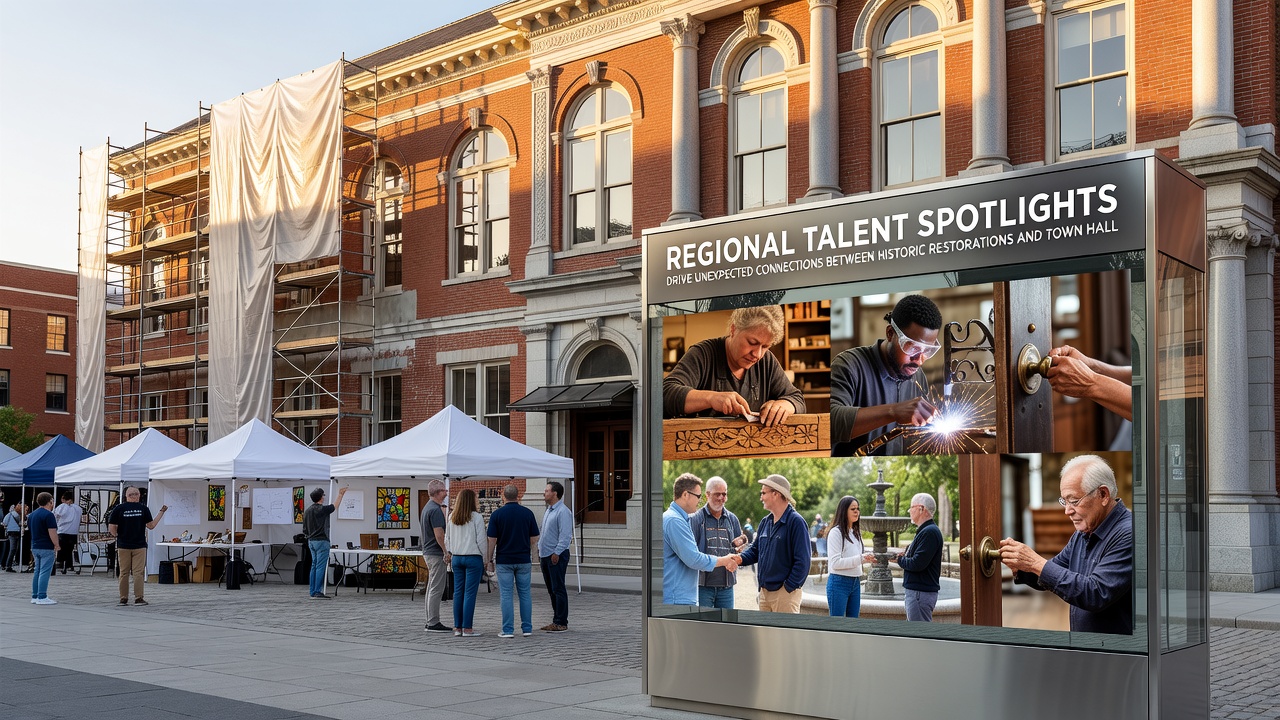
Municipal data from various jurisdictions demonstrates that town hall sessions following talent events produce measurable agreements on issues like noise levels during construction and public access to completed sites. European Union cultural reports highlight instances where performers collaborated with local officials to integrate peace-building themes into shows, which then informed agenda items at subsequent gatherings.
Those monitoring attendance trends note that venues hosting both performances and discussions see sustained turnout, with statistics from Canadian provincial records indicating repeat visitors who transition from audience members to active contributors on restoration committees. The process creates pathways where artistic expression informs practical decisions on building projects and conflict resolution measures.
Broader Regional Impacts
Industry groups focused on cultural development have compiled lists of events that pair talent displays with infrastructure talks, and cross-referenced data points to October 2026 show expanded partnerships between arts councils and planning departments. These collaborations result in shared calendars that prevent scheduling conflicts while maximizing public engagement across different community sectors.
Academic papers from universities in the United Kingdom and New Zealand examine how initial spotlight events generate follow-on activities, including workshops that combine historical research with negotiation techniques applied during town hall exchanges. Figures reveal consistent growth in joint applications for grants that cover both performance spaces and structural upgrades.
Conclusion
Regional talent programs continue to intersect with historic restoration work and municipal discussions through documented sequences of events and participant movements. Records from multiple sources confirm that these overlaps produce coordinated outcomes in funding, scheduling, and community involvement without requiring centralized direction. The connections appear across varied geographic locations and maintain steady patterns based on available attendance and project data.